TSEP™ — The Evidence
We don't burn it off.
We dry it until
it lets go.
For fifty years, taking a coating off masonry meant one of two things: dissolve it with chemicals and rinse it away, or blast it off with abrasive media. We proved a third. A short-wave infrared radiant process that uses no chemicals, no water, and no abrasion — it dehydrates the coating until it loses its grip on the wall. If that sounds too clean to be true, good. That's the right instinct — so we handed the proof to the people who'd know if we were wrong.
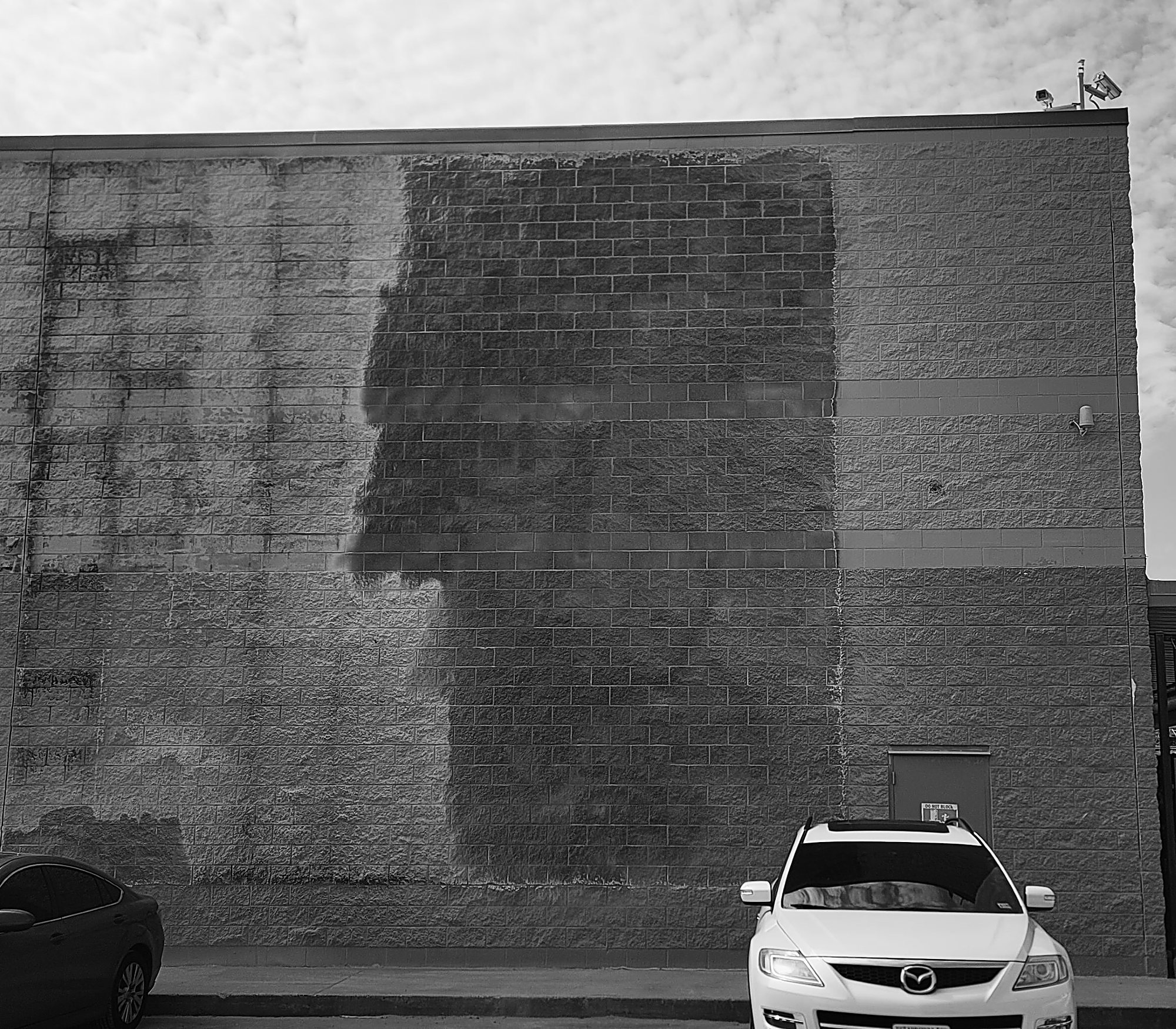
The Claim — In Plain English
Dry it past the point
its bond can survive.
No jargon. Short-wave infrared drives the moisture out of the coating — the same way heat turns anything organic brittle when you pull the water out of it. Past a certain point the coating simply can't hold its grip on the substrate, and it releases. What's left is a dry, dull, chalky residue: the same coating, minus its moisture. Nothing is set on fire. Nothing is vaporized. Nothing is blasted. The wall is never touched by a chemical or an abrasive.
No flame, no combustion at the surface. The coating is dehydrated, not incinerated — so there is no plume of vaporized coating to breathe.
No abrasive media, no grinding, no cutting. The masonry is never mechanically attacked — so no substrate material is liberated into the air.
No solvents, no chemical strippers, no water. Nothing to rinse into the ground, nothing in a pail headed for a hazardous-waste stream.
The Landscape — Three Methods
Two old ways.
One that answered for itself.
No water.
No abrasion.
Residue characterized non-hazardous. Substrate left intact. Validated independently — by the people who'd know if we were wrong.
The Record — We Handed the Authorities a Blank Page
Don't take our word.
Take theirs.
No scope, no guidance, nothing to steer the result. We gave the top of two fields a blank page and asked them to grade the process. Here is exactly what came back.
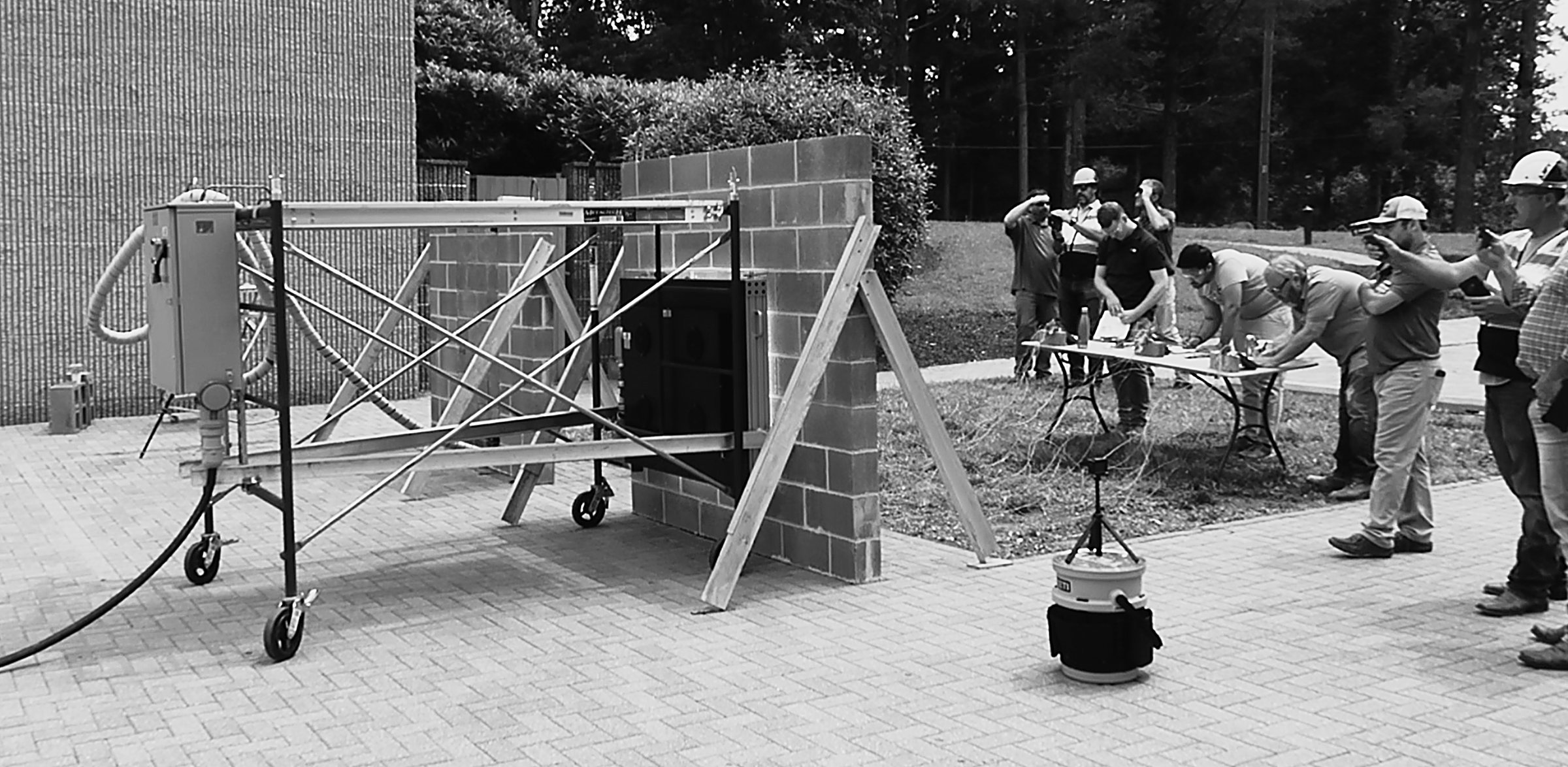
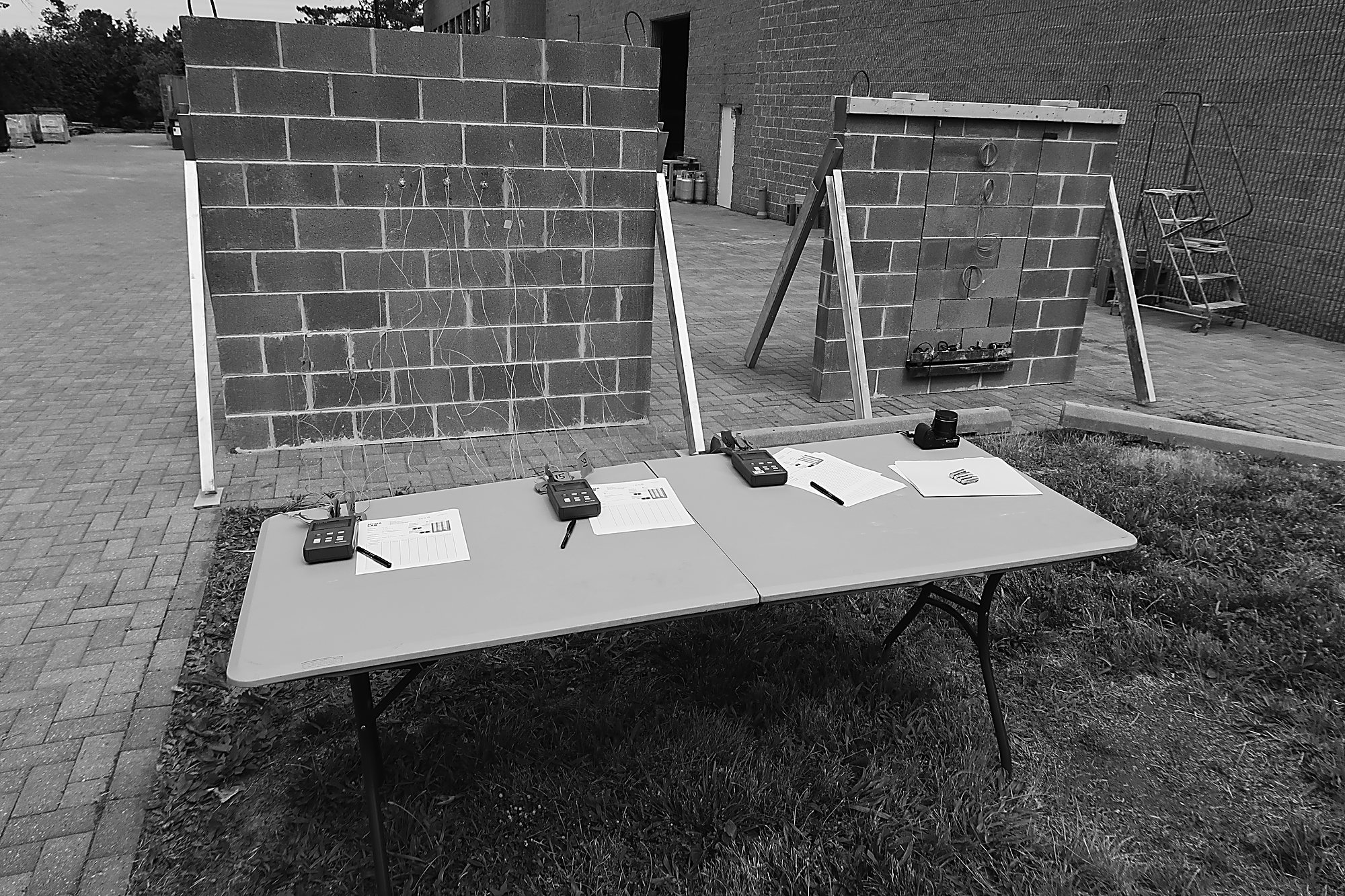
The masonry authority wrote its own test
We handed it a blank page. It designed its own protocol and ran it. There is no higher voice in masonry to ask — and the wall passed.
Hygienist assessments across live sites
Full-scale, on operating big-box retail exteriors — stores open, customers present, full production. Same blank page. Air clean, residue non-hazardous, machine cleared.
The Only Conclusion That Fits
And the Newest Entry in the Record
And Now, Steel