One Radiant Platform — Masonry to Steel to Printed Construction
Control the
environment.
Not the material.
One patented short-wave infrared engine that controls the thermal environment right at the surface. Proven across roughly a million square feet removing coatings. No chemicals. No abrasion. No flame. Now aimed at the biggest unsolved problem in 3D-printed concrete.
One Radiant Platform — Three Jobs
One patented backbone.
Two problems
worth solving.
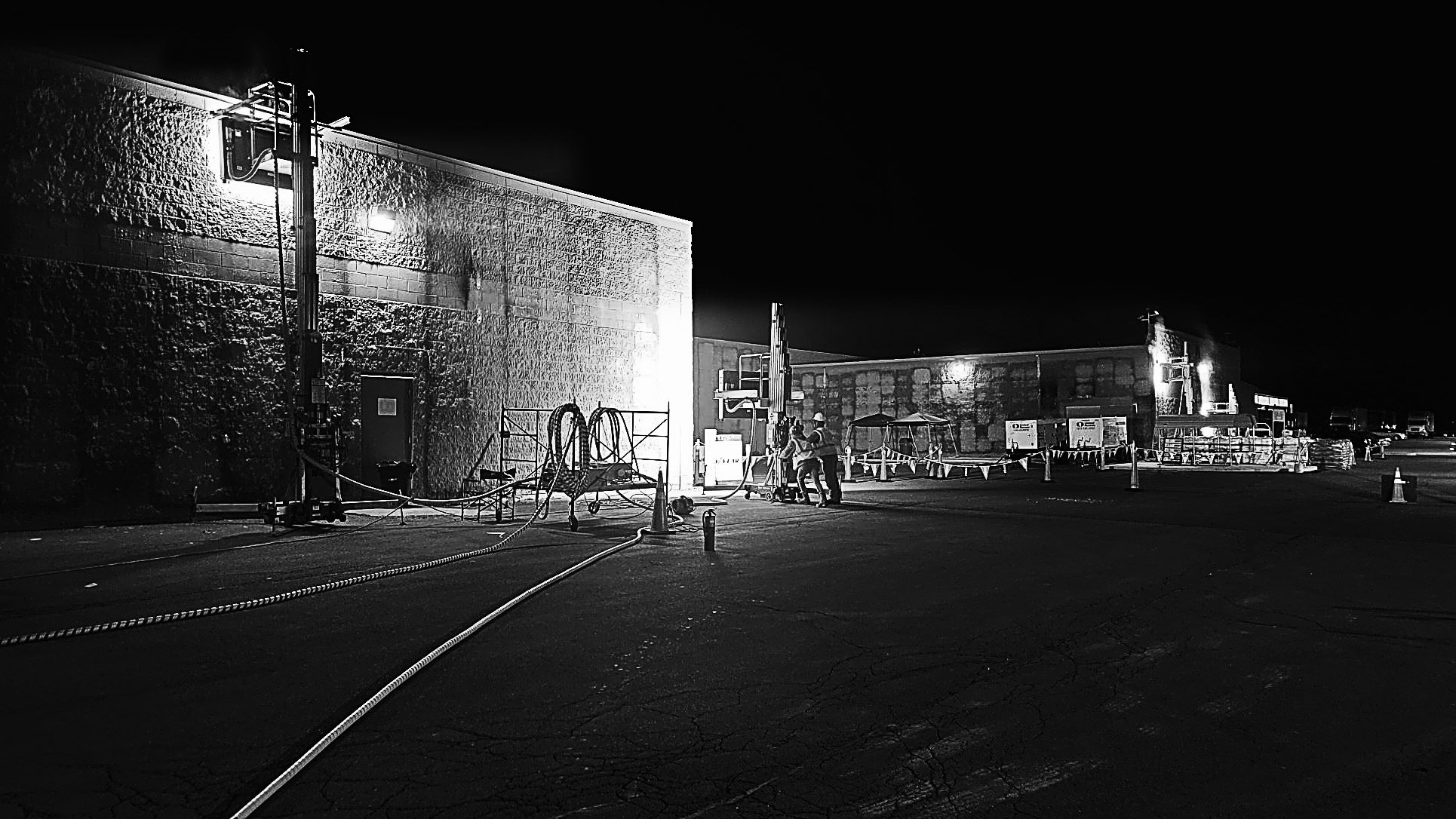
Today that platform does three jobs. It takes coatings off masonry, the proven pathway, roughly one million square feet of occupied retail exteriors behind it, and along the way it collapses efflorescence to a dry powder and pulls moisture out of water-burdened walls. It is patent-pending on steel: sensed radiant removal of bonded linings from tanks, hulls, and structural steel, with the prepared surface held above dew point so flash rust never starts. Hold the steel, not the air. And it conditions the environment for printed and placed construction, the layer between the machine and the sky, so the newest way of building survives contact with the oldest problem on the site.
Two systems carry it into the field. Pick your path.
Concrete
- Interlayer surface conditioning for printed walls
- Per-layer read & documented QA record
- Jobsite & cold-weather heating — heats the work, not the air
Removal
- Chemical-free coating dehydration — no water, no abrasion, no flame, no silica
- ~1M sq ft on national retail exteriors
- Granted patent · independent IH + NCMA on record
Section 01 — The Trade
A performance-specified trade,
not a rented heater
The engineer of record specifies the criteria: target surface temperature, tolerance, duration, and the zones to be maintained. NAllen delivers the environment and documents it. No enclosure. No combustion at the point of use. No fuel handling where grid power serves the site. You specify the conditions. We own them.
The criterion lives in your project documents — a surface temperature, a tolerance, a duration — written by your engineer, in your spec's own language.
Short-wave infrared radiant energy applied directly to the work: the wall, the placement, the material, the equipment. The air is not the medium. The work is the target.
Calibrated thermal imaging monitors the surface through the full cycle. The thermal record is submitted at closeout — proof the specified conditions were met, like any other trade.
Section 02 — The Method
Heat the work,
not the air
Fifty years of tents and torpedo heaters wasn't a cost decision. It was a habit. Put the two models side by side and read what each one actually buys.
- Scaffold: erect, rent, dismantle
- Hoarding and poly, both sides
- Installation labor at height, in the cold
- Heater package plus daily fuel handling
- Moisture added to the enclosure by gas-fired heat
- Seal checks, temperature logs, patrols
- Fire watch where site rules require it
Almost none of it buys heat. It buys the container the heat leaks out of.
- Power: grid connection or generator
- Distribution and tie-in
- Unit placement to the workface
- Repositioning as the work moves
That's the list. The spend buys energy, delivered where the spec needs it — and a calibrated thermal record proving it got there.
Section 03 — Straight Answers
What we claim.
What we don't.
Restraint is our credibility. Every claim below survives an engineer's cross-examination — because the ones that wouldn't aren't on the page.
We say — because it's true
- Zero on-site combustion when grid-connected. No fuel stored, handled, or spilled on site.
- No open flame at the point of use — and no fire-watch line triggered by one.
- No moisture load added to the work. Gas-fired heaters release water vapor into enclosures; radiant energy doesn't.
- No single-use enclosure waste stream. No tenting, wrap, or hoarding package headed for the dumpster.
- A footprint that declines every year a grid-connected deployment rides a cleaner grid. No fuel-fired method can say that.
We don't say — because it isn't
- "Net zero." Grid electricity carries a real, regional carbon footprint. We won't pretend otherwise.
- "Zero emissions," unqualified. Our claim is zero emissions at the point of use, on grid power — and we keep the qualifier.
- "100% energy utilization." No system achieves it. Ours doesn't either.
- Guaranteed material outcomes. We deliver and document the thermal environment. Materials-science conclusions belong to your engineers and their instruments.
Section 04 — The Systems
One platform.
Two scales. One proven engine.
One patented short-wave infrared engine. Output, emitter arrangement, and footprint configured to the load, the geometry, and the power available. The same physics at two scales — the work zone, and the surface.
TSEP OverLord™
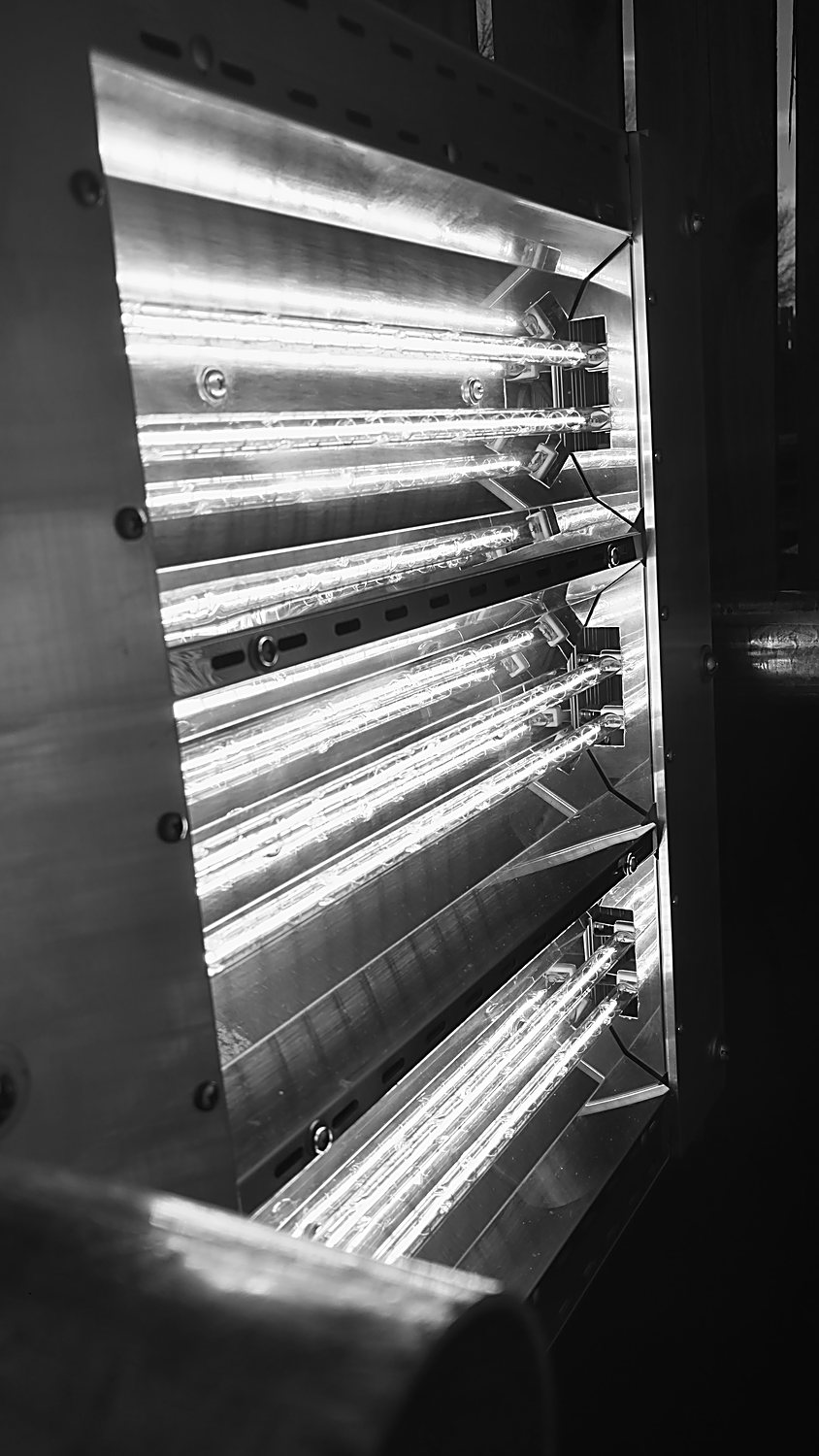
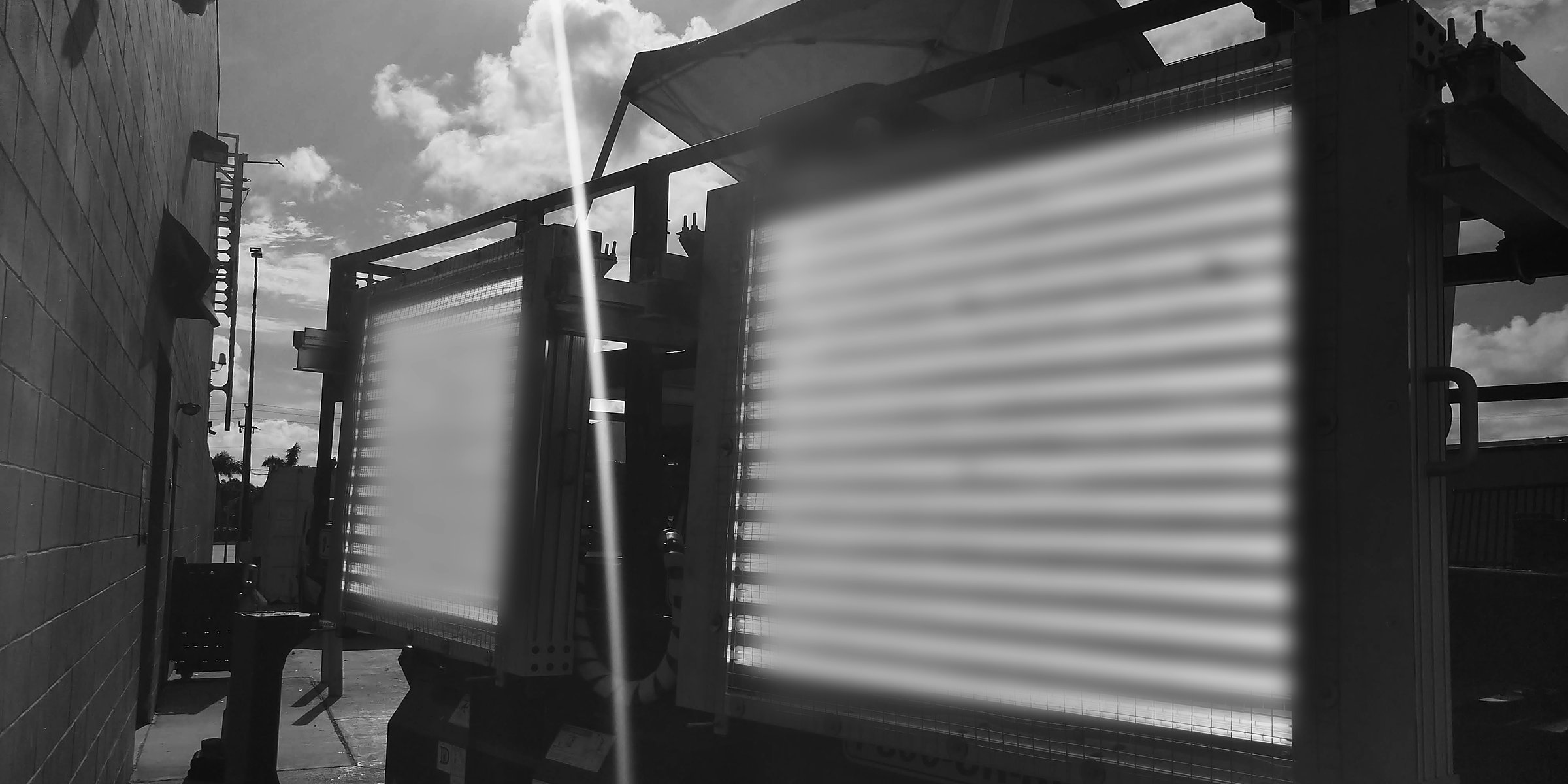
High-output radiant arrays that condition the active work zone — walls, placements, materials, equipment, and crews — without enclosure, because they don't heat the air. The home of jobsite heating, cold-weather concrete, and 3D-printed walls that move too fast to tent. Managed service: our units, our operators, mobilized to your schedule.
| Reference unit | ~90 kW, three-phase |
| Power source | Grid or Tier 4 Final generator |
| Coverage | Scales by unit count & placement |
| Monitoring | Calibrated thermal imaging, documented |
TSEP UnderLord™
Precise conditioning of the thermal environment at the coating's face, driving the water out until the coating releases on its own. No chemicals, no water, no abrasion, no flame. Proven across approximately one million square feet on national big-box retail exteriors, under live operating conditions. The same radiant process that releases coatings breaks down efflorescence into a loose powder — no acid wash, no pressure cycle. The chemistry is in the open literature; the method is patent-pending.
| Application | Chemical-free coating dehydration |
| Proven scale | ~1M sq ft, live retail exteriors |
| Validation | Independent IH + NCMA on record |
| Residue | Non-hazardous by TCLP |
A solutions posture, not a product ceiling. Behind the platform sits thirty years of construction leadership — general contracting, construction management, and the client's own chair. Give us the requirement and the criteria; configuring the system to meet them is the work we do.
Section 05 — Evidence
Both scales proven.
The record is public.
Proven at commercial scale
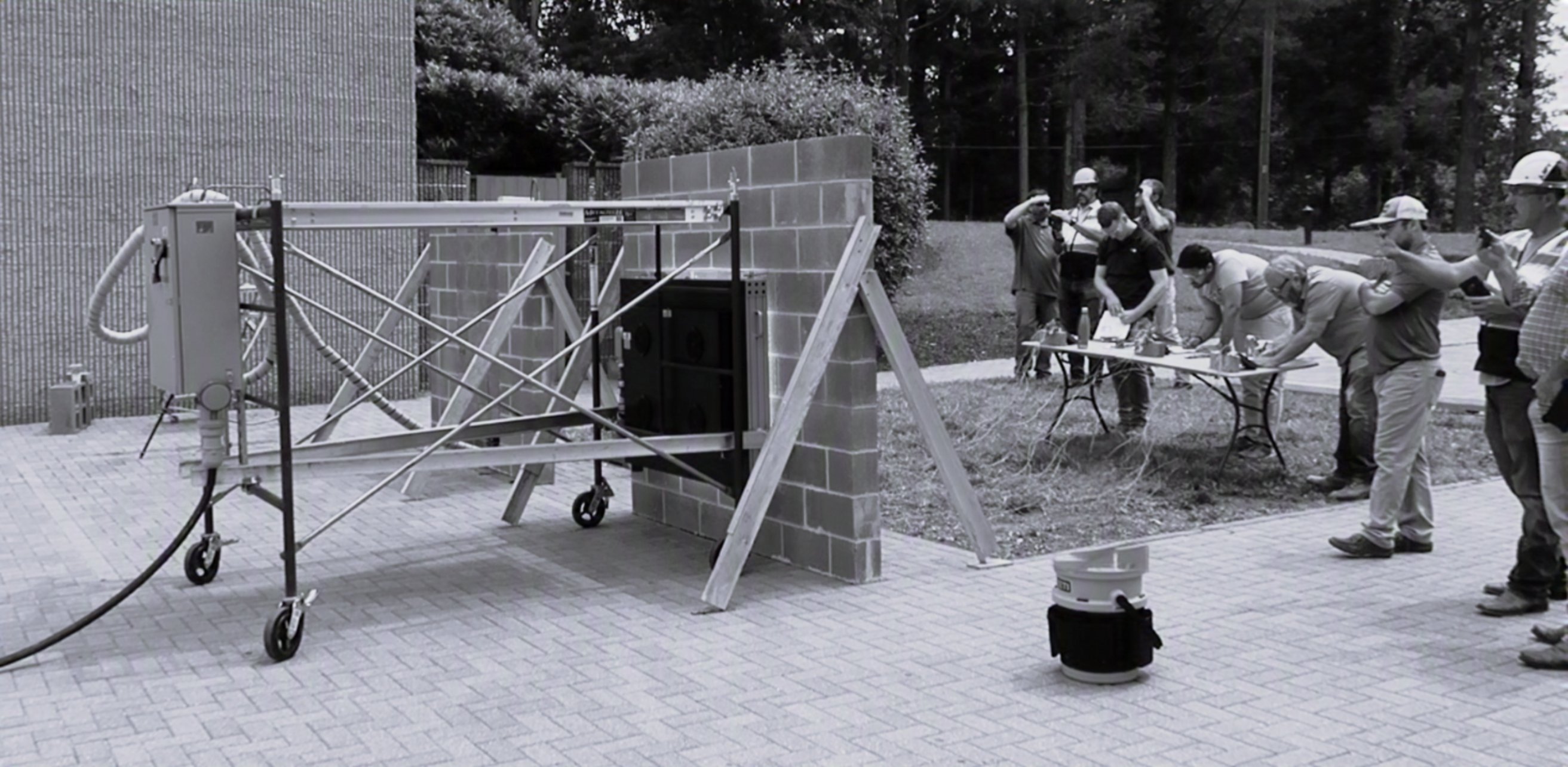
Chemical-free coating dehydrationApproximately one million square feet delivered on national big-box retail exteriors, operated by NAllen crews under live-site conditions. Independent industrial-hygiene assessments across multiple occupied projects, plus NCMA structural testing — air within OSHA limits, residue non-hazardous, substrate intact.
Read the evidence brief → TSEP OverLord™ — MacroClimateProven in the field & the physics
Jobsite heating & 3D-printed concreteMacro-scale environment control for cold-weather construction and printed concrete: consistent surface conditions for the work zone, the machine, and the material, in any season — no enclosure, because it doesn't heat the air.
Read the radiant heat companion →Section 06 — The Founder
The man who ran the crews.
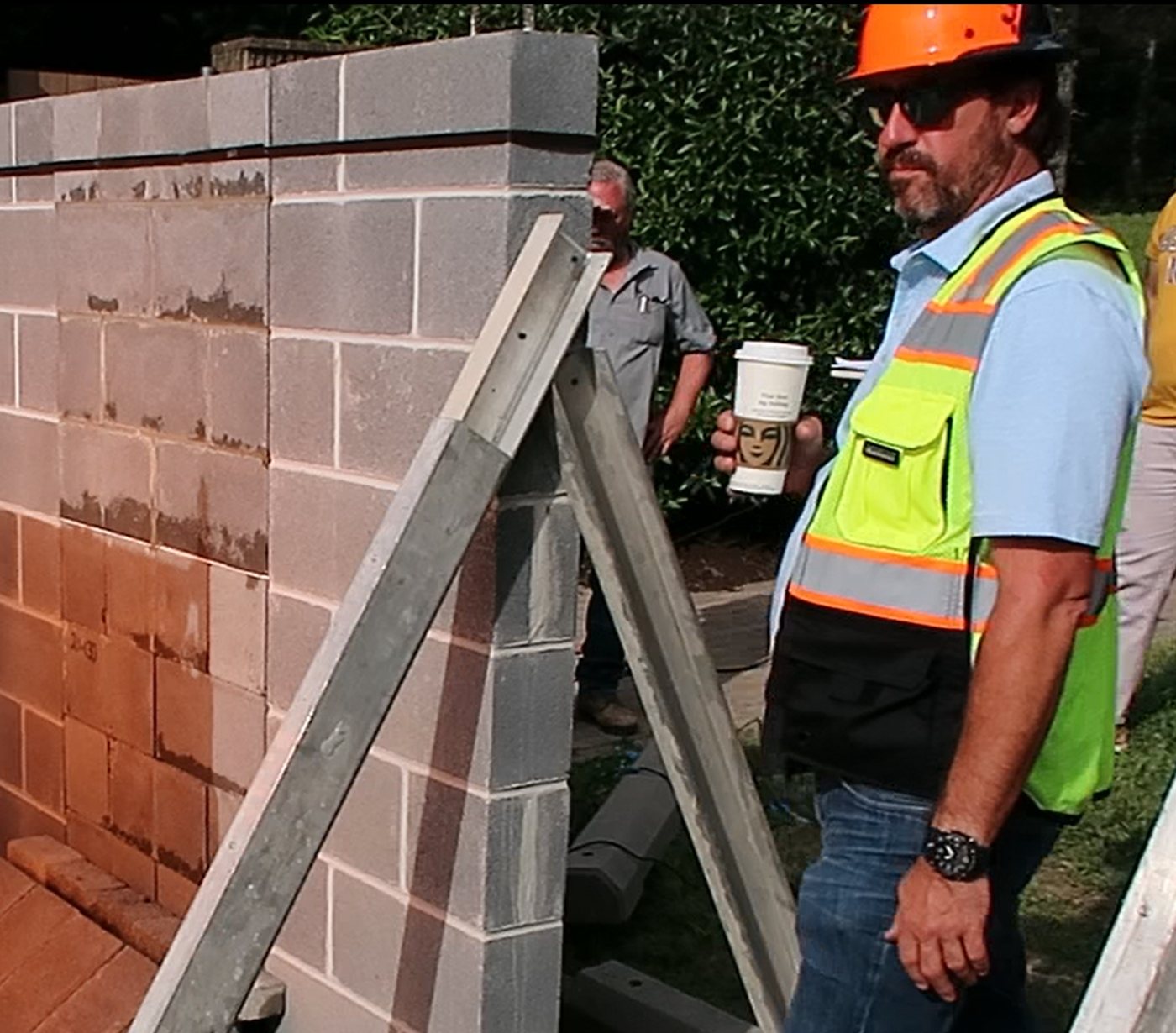
Shawn Benn — Inventor of TSEP™. Thirty years in construction: general contractor and construction manager across commercial, industrial, and federal work — then the last decade and a half as a client's representative. It was from the owner's chair that he saw the problem whole, and built the machine the industry didn't have.
“I was hired to solve a problem, and the industry's answer was a chemical and a fire hydrant. It never stopped bothering me that the mess existed at all — so I built a fourth way.
My grandparents watched the sky turn black in the 1930s because a generation treated the land like it couldn't run out. Their lesson wasn't complicated: don't ask what you can take from it today. Ask what you owe it tomorrow.
That's the company. Control the environment, not the material. Prove everything. Waste nothing. And build the room — because nothing worth making was ever made alone.”